

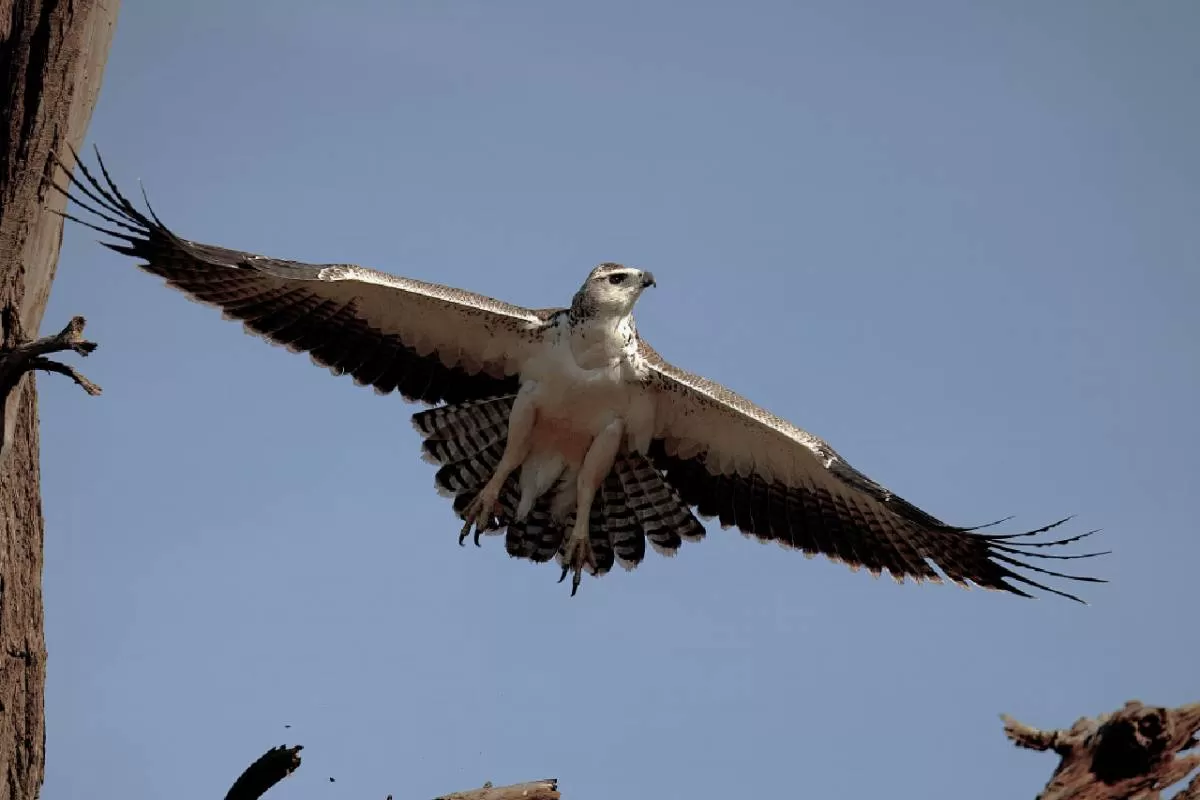
A wildlife photography safari in Kenya is an extraordinary opportunity to experience Africa’s spectacular wildlife while capturing unforgettable images in its natural environment. From sweeping savannahs and dramatic sunsets to intimate encounters with lions, elephants, cheetahs, and leopards, Kenya offers photographers an exceptional combination of biodiversity, scenery, and photographic opportunities.
Kenya is home to some of Africa’s most famous wildlife destinations. stands out as one of the continent’s premier locations for wildlife photography. Its open grasslands provide excellent visibility, allowing photographers to observe animals from suitable distances without disturbing their natural behavior. Lions resting in the golden grass, cheetahs scanning the plains, elephants moving across the horizon, and leopards emerging from woodland can all create remarkable photographic moments.
The Masai Mara is also renowned for the Great Migration. During the migration season, enormous herds of wildebeest and zebras move across the ecosystem in search of fresh grazing. The movement of thousands of animals creates dramatic opportunities for action photography, particularly when herds cross rivers or interact with predators. The scale and unpredictability of these events make every game drive differently.
Beyond the Masai Mara, offers a distinctive photographic experience. The park is famous for its large elephant populations and spectacular views of Mount Kilimanjaro. Elephants walking across the open plains with the mountain rising in the background can produce iconic landscape photographs. The park also supports lions, cheetahs, giraffes, zebras, buffalo, and numerous bird species.
For photographers, light is one of the most important elements of a successful safari. Early mornings and late afternoons are especially valuable because the softer, warmer sunlight creates depth, texture, and atmosphere. Golden-hour conditions can transform an ordinary wildlife encounter into a dramatic image, while backlighting can produce striking silhouettes and glowing outlines.
A successful wildlife photography safari requires more than sophisticated camera equipment. A telephoto lens is useful for photographing distant animals, while a second camera body can help photographers react quickly to changing situations. Extra batteries, memory cards, binoculars, lens-cleaning equipment, and weather protection are also valuable. However, patience, observation, and knowledge of animal behavior are just as important as technology.
Experienced guides and photography specialists can greatly enhance the experience. Their knowledge of animal movements, tracks, habitats, and behavior helps photographers anticipate opportunities while maintaining a safe and respectful distance. Rather than simply searching for animals, skilled guides can help participants understand what is happening in front of their cameras.
Ethical wildlife photography should always be a priority. Photographers should never encourage unnatural behavior, disturb animals for a better photograph, or place wildlife under unnecessary stress. Following park regulations and respecting local communities and conservation areas helps ensure that photography contributes positively to Kenya’s tourism and conservation efforts.
A Kenya wildlife photography safari also provides an opportunity to photograph more than large mammals. Colorful birds, reptiles, insects, landscapes, traditional cultures, and dramatic weather can add variety to a photographic collection. This allows photographers to create a complete visual story of Kenya rather than focusing exclusively on the famous Big Five.
Ultimately, a wildlife photography safari in Kenya is a journey of discovery, creativity, and connection with nature. Every sunrise brings new possibilities, and every game drive offers the potential for an unexpected encounter. With expert guidance, responsible practices, patience, and a passion for photography, Kenya provides the perfect setting to capture powerful images and lasting memories of Africa’s extraordinary wilderness.