
There is a moment on a winter road trip north of the Arctic Circle when the engine hums, the snow glitters, and you realize the road beneath you is a frozen river. That feeling is the heart of an Arctic Ice Road Adventure Yukon (8 days). It is part road trip, part expedition, and part pure wonder, and it is unlike any other winter journey you can take in Canada.
This guide explains what the experience involves, how eight days can unfold, when to go, and how to prepare for the cold so you can focus on the view.
What Is an Arctic Ice Road Adventure?
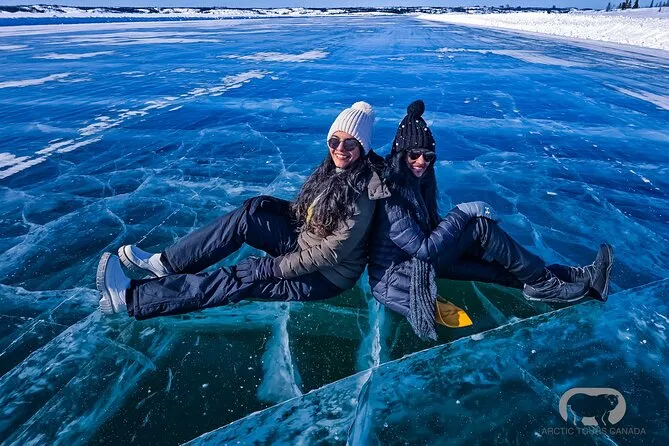
In winter, rivers and lakes across the far north freeze thick enough to carry vehicles. Communities use these seasonal routes to move people and supplies, and travelers can use them too. Along the Dempster Highway, which runs from near Dawson City in the Yukon toward Inuvik in the Northwest Territories, summer ferries are replaced by ice crossings over the Peel and Mackenzie rivers. Farther north, ice roads and snow roads connect parts of the Mackenzie Delta.
An Arctic Ice Road Adventure Yukon (8 days) usually combines these frozen crossings with the highway itself. You pass through snowy mountain passes, cross the Arctic Circle, visit remote northern communities, and, if the sky cooperates, watch the aurora ripple overhead.
Why Choose Eight Days?
Eight days gives you breathing room. The distances are long, winter daylight is short, and road conditions change quickly. Rushing is not just uncomfortable, it can be unsafe. A week-plus schedule lets you drive in daylight, rest properly, absorb the culture and scenery, and keep a spare day in case of storms or closures.
It also allows a gentler start. The first day or two are used for travel and preparation, so you reach the frozen crossings rested and ready.
A Sample Eight-Day Itinerary
Operators vary, but this outline captures the typical flow.
Day 1: Arrive in Whitehorse. Collect any rental winter gear, meet your guide or group, and review safety briefings. An early dinner and an early night are wise.
Day 2: Whitehorse to Dawson City. Travel north along the Klondike Highway, a long drive but usually well maintained. Arrive in Dawson City and soak up the old gold rush atmosphere, with its wooden buildings and snowy streets.
Day 3: Dawson City to Eagle Plains. Turn onto the Dempster Highway and enter the quiet world of Tombstone Territorial Park. Snow-covered peaks, wide valleys, and low winter light create endless photo stops. Overnight at Eagle Plains, the main service point on the Yukon section.
Day 4: Across the Arctic Circle. Stop at the Arctic Circle marker, which looks especially striking in snow. Continue toward the Northwest Territories, cross the first ice crossing, and visit Fort McPherson, a Gwich’in community, if time allows.
Day 5: Into Inuvik. Drive the final stretch, cross the Mackenzie River on the ice, and reach Inuvik. Visit the town’s famous dome-shaped church and enjoy a warm meal after hours on the road.
Day 6: Tuktoyaktuk and the Arctic Ocean. Travel along the Inuvik to Tuktoyaktuk Highway to reach the shore of the Arctic Ocean, where frozen sea ice stretches to the horizon. Look for pingos, the unusual ice-cored hills that dot this landscape.
Day 7: Return south. Begin the journey back toward Eagle Plains. The same road looks different with new light and shadows, and wildlife may appear where none was visible before.
Day 8: Back to Dawson City and Whitehorse. Finish the loop, share stories over lunch, and head home with a camera full of images.
Many operators shuffle days based on weather, road status, and aurora forecasts. Treat the plan as a guide, not a promise.
When Is the Best Time to Go?
Ice crossings are seasonal. They typically open in early winter once the ice is thick enough and stay available until spring breakup, though exact dates change every year.
December and January. Deep winter, long nights, and the best aurora chances. In the far north, the sun may stay below the horizon for days or weeks, and its return is celebrated by locals. Temperatures can plunge to -30°C or lower.
February. Daylight begins to return noticeably, which makes driving easier and photography more rewarding. Many people regard it as a balanced choice.
March. Brighter days and slightly milder weather, with plenty of snow and still-active aurora in the evenings. Because spring is approaching, always check ice and road updates before traveling.
Seeing the Northern Lights on the Road
The Arctic Ice Road Adventure Yukon (8 days) is also a superb aurora trip. You travel far from city lights, spend several nights in dark-sky areas, and have multiple chances to catch a display. Cloud cover and solar activity cannot be controlled, but eight nights are far better than one.
To the naked eye, the lights often appear as pale green arcs that can brighten and dance without warning. Dress warmly, bring a tripod if you enjoy photography, and be patient.
Staying Safe in Extreme Cold
Safety is the most important part of any ice road trip. Never drive onto ice crossings that are closed, and always follow posted guidance and local advice. Check daily road reports from official sources, and never assume yesterday’s conditions will hold today.
For your vehicle, plan for the cold. Winter tires, a block heater, extra fuel, tow straps, and an emergency kit are essential. Carry blankets, high-energy snacks, and a satellite communicator, since cellphone coverage disappears for long stretches. Fill your tank whenever you can, because services are limited.
If this sounds like a lot, a guided tour is a smart alternative. Experienced drivers handle the conditions while you enjoy the scenery.
What to Wear and Pack
-
Insulated, waterproof boots rated for extreme cold
-
Wool or synthetic base layers, never cotton
-
A heavy parka, insulated pants, and a warm mid-layer
-
Mittens, liner gloves, a hat that covers your ears, and a neck gaiter
-
Hand and toe warmers
-
Sunglasses, since snow glare can be intense even in low sun
-
Lip balm and moisturizer for dry air
-
Spare camera batteries, kept warm in an inner pocket
How to Choose the Right Program
Look for operators that publish clear safety policies, use experienced northern guides, and keep groups small. Ask about vehicle type, heating, and emergency equipment. Check whether winter clothing is included and what happens if the ice crossings close. A good company explains risks honestly and gives you a realistic backup plan.
Frequently Asked Questions
Is it safe to drive on an ice road?
When the crossings are officially open and maintained, they are used regularly by locals and visitors. Always follow guidance, drive slowly, and avoid risky behavior.
How cold will it be?
Expect anything from mild winter conditions to extreme cold below -30°C. Proper layers make it manageable.
Do I need winter driving experience?
It helps. If you lack it, choose a guided tour.
Can I do this trip without a car?
Yes, through organized tours that handle the driving.
Final Thoughts
An Arctic Ice Road Adventure Yukon (8 days) is not the easy way to see the north. It is the memorable way. You drive across rivers turned to stone, share the road with ravens and caribou, and fall asleep under a sky that might glow green at any moment. Prepare carefully, stay flexible, and the frozen north will give you stories you will tell for years.