
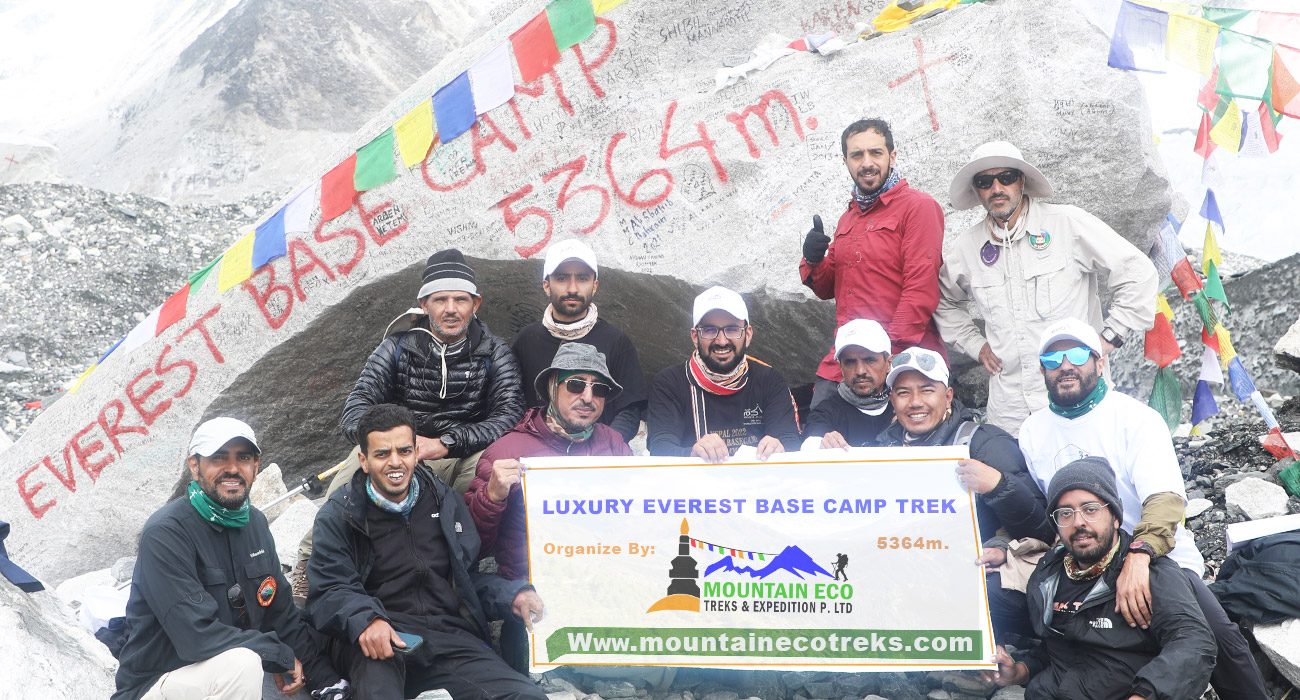
Not every traveler dreams of spending their vacation in basic mountain rooms and following a strict schedule from one village to the next. Some want the thrill of the Himalayas but also care about good service, proper rest, and a smoother travel experience.
That is exactly where the Everest Base Camp Luxury Trek stands apart. It brings together the challenge of the Everest trail with a greater focus on comfort and planning. You still walk through remote valleys and climb to high elevations, but you can enjoy the journey without making simple things harder than they need to be.
Start With the Experience You Actually Want
Before choosing a trek, it helps to think beyond the name of the destination.
Ask yourself what you want from the trip.
Do you want a fast adventure? A cultural experience? A serious physical challenge? Or a special Himalayan holiday where you can enjoy the scenery without staying in the most basic places?
Luxury Does Not Mean Easy
This point is easy to misunderstand.
A luxury trek does not turn Everest Base Camp into a simple sightseeing trip. The trail still has steep sections, long walking days, cold weather, and high altitude.
The difference is everything around the walking.
You can have better planning, more comfortable accommodation where available, organized transportation, and support from an experienced trekking team.
The Value of Having Things Planned
Remote mountain travel has many moving parts.
A small problem with transportation can affect an entire day. Weather can change plans. Accommodation choices can be limited. Altitude can force changes to the schedule.
A professional trekking company can handle many of these details before and during your trip.
Less Time Solving Problems
Imagine reaching a mountain village after a long day and already knowing where you will stay, where your meal is coming from, and what tomorrow’s plan looks like.
That certainty can be valuable.
You can spend your evening enjoying the destination instead of trying to organize the next part of the trip.
Your Body Needs More Than Motivation
People often prepare for Everest by thinking about motivation.
That is not enough.
Your body has to deal with repeated walking, uneven ground, climbing, cold temperatures, and reduced oxygen at higher elevations.
Train for Real Walking
A gym workout can help, but walking practice should be a major part of your preparation.
Before the trip, try to include:
- Long walks several times a week
- Hills or stairs
- Moderate leg exercises
- Weekend hikes
- Walking with a light backpack
- Recovery days between harder sessions
You do not need to destroy yourself during training.
The goal is to arrive in Nepal prepared, not exhausted.
Your Feet Will Decide How Much You Enjoy
People often spend a lot of time choosing jackets and bags while giving too little attention to footwear.
That is a mistake.
Your feet will carry you for days.
Break In Your Trekking Shoes Early
Never make your first long walk in brand-new trekking shoes.
Wear them during training so you can identify pressure points, discomfort, or sizing problems before the trip.
Bring good socks as well. Small problems with your feet can become much bigger problems after hours on a mountain trail.
Learn to Manage Your Energy
The Everest route rewards patience.
You may feel strong during the first few days and want to move quickly. But the higher you climb, the more effort normal activities can require.
Slow and Steady Wins Here
A steady pace helps you conserve energy.
Take short breaks before you are completely exhausted. Eat during the day. Drink water regularly.
You do not need to prove how tough you are.
The smart goal is to finish each day with enough energy to recover for tomorrow.
Your Sleep May Change at Altitude
Sleeping in the mountains can feel different from sleeping at home.
As elevation increases, some trekkers find it harder to sleep comfortably. Cold temperatures and a different daily routine can also affect rest.
This makes good accommodation especially useful when available.
Make Your Night Routine Simple
Once you arrive at your accommodation, focus on recovery.
Eat dinner. Drink enough fluids. Organize your clothes for the morning. Charge your devices. Get into your sleeping gear and rest.
There is no need to stay awake late just because you are on vacation.
Keep Your Electronics Under Control
It is tempting to spend every evening checking messages and uploading photos.
But remote mountain travel can make charging and connectivity less reliable.
Save Your Battery
A portable power bank can be useful.
Also consider putting your phone into battery-saving mode and carrying only the devices you actually need.
The mountains are a good place to disconnect for a while.
You may find that you enjoy the trip more when you are not constantly checking a screen.
The Weather Can Change Your Plans
Mountain weather does not care about your itinerary.
A flight may be delayed. A trail section may become difficult. Clouds can appear quickly.
This is why travelers need flexibility.
Do Not Build a Trip With Zero Extra Time
If your schedule allows it, having some flexibility around mountain flights can reduce stress.
Trying to connect a mountain flight to an important international flight on the same day leaves very little room for delays.
A little extra time can protect the rest of your travel plans.
Respect the High-Altitude Environment
The higher sections of the Everest route are fragile.
There are fewer trees, limited water resources, and communities that depend heavily on local supplies.
Travel With Less Waste
Simple habits make a difference.
Carry reusable bottles when practical. Avoid leaving wrappers behind. Use waste bins where provided. Do not damage plants, rocks, or local structures.
You are visiting a place that needs to support both residents and future travelers.
Why the Return Trip Should Not Be Ignored
Once you reach Base Camp, it can be tempting to think the hard part is finished.
But the return journey still matters.
You will already have several days of walking behind you, so fatigue can build up.
Enjoy the Mountains From a New View
Walking back gives you a different perspective.
The same trail can look completely different when you are moving in the opposite direction. You may notice villages, peaks, and landscapes that you ignored while focused on climbing.
Do not rush through the return.
It is still part of the Everest experience.
Who Is Most Likely to Enjoy a Luxury Trek?
The Everest Base Camp Luxury Trek is especially suitable for travelers who want the famous Everest adventure but do not want to focus only on keeping costs as low as possible.
It can be a good fit for:
- Travelers who value comfortable accommodation
- Couples planning a major trip
- Families with suitable trekking experience
- Older travelers who prefer more support
- First-time high-altitude trekkers who want professional guidance
- Busy travelers who prefer organized arrangements
The right choice depends on what you value most from your holiday.
Ask Better Questions Before Booking
Do not choose a trek simply because the word “luxury” appears in the package title.
Look at the actual details.
Check What Is Included
Before booking, ask about:
- Accommodation standards
- Number of acclimatization days
- Guide and porter support
- Meals
- Transportation
- Permits
- Emergency arrangements
- Insurance requirements
- What happens if weather changes the schedule
A luxury label means very little if the actual services do not match your expectations.
Frequently Asked Questions
Is luxury trekking suitable for people who have never been to the Himalayas?
Yes, but first-time travelers should take altitude seriously. Proper preparation, gradual ascent, and experienced guidance are important.
How far in advance should I prepare?
Start building your fitness several weeks before the trek. Your equipment should also be tested before departure.
What if my flight is delayed because of weather?
Mountain flights can be affected by weather. A good itinerary should allow some flexibility rather than relying on a very tight schedule.
Do I need expensive trekking equipment?
Not necessarily. Quality and suitability matter more than buying the most expensive products. Focus on reliable footwear, warm layers, weather protection, and essential personal gear.
Is the luxury option worth it?
For travelers who care about comfort, organized service, and better recovery after long walking days, the additional cost may be worthwhile. For budget-focused trekkers, a basic package may make more sense.