
Uganda, famously known as the Self-Drive in Uganda: A Traveler’s Guide to Exploring the Pearl of Africa, is one of East Africa’s most rewarding destinations for travelers who want to experience nature, wildlife, culture, and adventure at their own pace. From the misty mountains of the southwest to the vast savannahs of the north, Uganda offers an impressive variety of landscapes and experiences. While guided tours remain popular, Self-Drive in Uganda is becoming an attractive option for adventurous travelers who value independence and flexibility.
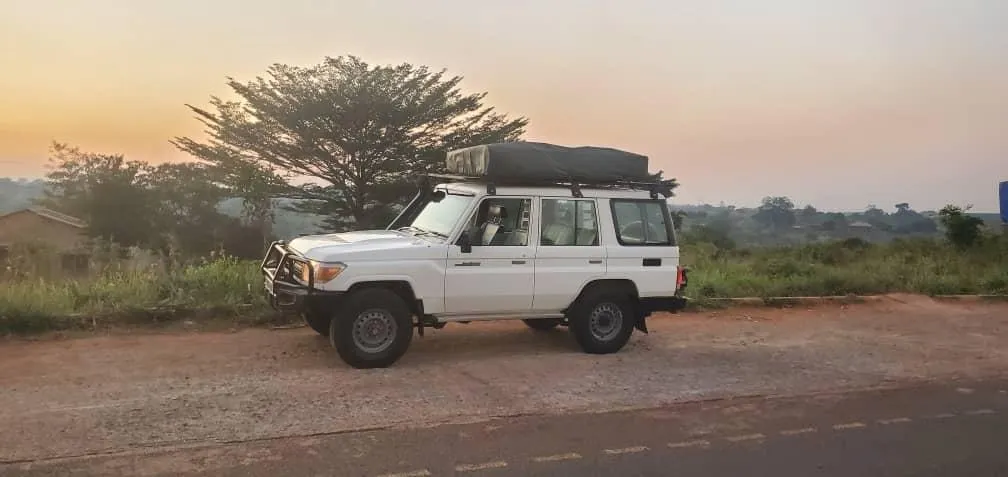
A self-drive journey allows you to choose your route, decide how long to stay in each destination, and discover places beyond the standard tourist itinerary. Whether you are planning a wildlife safari, a road trip through national parks, or an extended adventure across Uganda, traveling by your own rental vehicle can make the experience more personal and flexible.
Why Choose Self-Drive in Uganda?
One of the biggest advantages of self-driving is freedom. Instead of following a fixed schedule, travelers can organize their days according to their interests. You can leave early for a game drive, spend extra time photographing wildlife, or stop at a scenic viewpoint whenever you want.
Uganda is particularly suitable for road-trip travelers because many of its major attractions are connected by road. A well-planned journey can combine several destinations, including national parks, lakes, forests, towns, and cultural attractions.
Self-driving can also provide a greater sense of adventure. Navigating unfamiliar roads, meeting local communities, and discovering small villages along the way can become an important part of the journey rather than simply traveling between attractions.
Choosing the Right Vehicle
Selecting the right vehicle is one of the most important decisions when planning Self-Drive in Uganda. Road conditions vary considerably depending on the region, season, and destination. Main highways are generally easier to navigate, while roads inside and around national parks can be rough, muddy, or uneven.
A Self-Drive in Uganda: A Traveler’s Guide to Exploring the Pearl of Africa is usually the preferred choice for travelers planning to visit multiple national parks or remote areas. A reliable four-wheel-drive vehicle provides better ground clearance and traction on challenging roads.

Travelers should also consider the size of their group and the amount of luggage they will carry. For longer trips, a spacious vehicle can make the journey considerably more comfortable. Some rental companies also provide camping equipment, rooftop tents, spare tires, recovery equipment, and other accessories for overland adventures.
Before starting your trip, inspect the vehicle carefully and confirm that essential equipment is included. It is also wise to understand the rental company’s breakdown and emergency-support procedures.
Understanding Uganda’s Roads
Driving in Uganda requires patience and preparation. Road conditions can change quickly, especially outside major cities. While some routes have smooth paved surfaces, others may include potholes, gravel, dirt, or muddy sections.
Traffic can be busy around Kampala and other urban areas, while rural roads are generally quieter. Drivers should remain alert for pedestrians, cyclists, motorcycles, livestock, and other vehicles.
During the rainy season, some dirt roads can become particularly challenging. Travelers should check road conditions before heading into remote areas and avoid rushing. Driving during daylight hours is generally preferable, particularly for visitors unfamiliar with local roads.
Navigation apps and offline maps can be extremely useful, but travelers should not depend entirely on mobile internet. Downloading maps before leaving areas with reliable connectivity can help when traveling through remote regions.
Uganda’s Best Destinations for a Self-Drive Adventure
Uganda offers a wide selection of destinations that can be incorporated into a self-drive itinerary.
Murchison Falls National Park
Murchison Falls National Park is one of Uganda’s most impressive safari destinations. The park is known for its savannah landscapes, wildlife, and the powerful Murchison Falls, where the Nile is forced through a narrow gorge.
A self-drive trip here can include wildlife viewing, boat excursions, scenic drives, and visits to viewpoints. Travelers may encounter elephants, giraffes, buffaloes, antelopes, and other wildlife.
Because the park is extensive, travelers should plan their routes carefully and allow enough time to explore without rushing.
Queen Elizabeth National Park
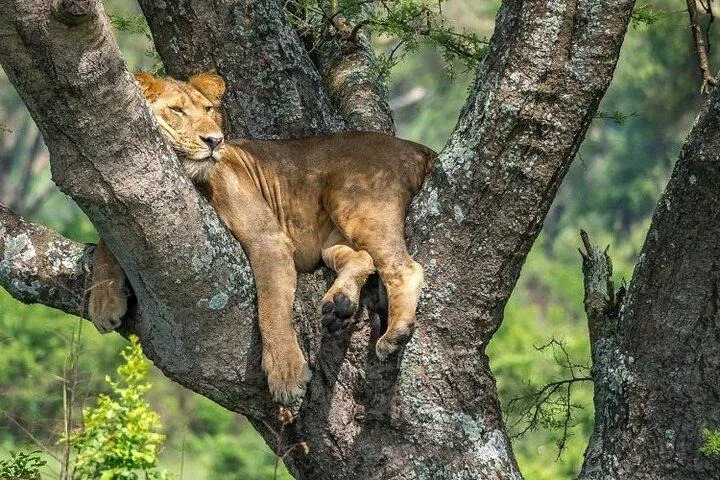
Queen Elizabeth National Park is another excellent destination for a road trip. Its diverse landscapes include savannah, wetlands, forests, and crater lakes.
The park is well known for wildlife viewing, including elephants, buffaloes, lions, leopards, and several antelope species. The famous Kazinga Channel boat cruise is another highlight, offering opportunities to see hippos, crocodiles, and numerous bird species.
Self-driving gives visitors flexibility to spend more time in areas where wildlife activity is particularly interesting.
Bwindi Impenetrable National Park
Bwindi is famous worldwide for its mountain gorillas. The forested landscape is dramatically different from Uganda’s open savannah parks, making it an excellent addition to a longer self-drive itinerary.
Driving to Bwindi can be an adventure in itself because roads in the surrounding mountainous areas can be winding and challenging. Travelers should allow additional time and avoid planning overly ambitious driving days.
Gorilla trekking requires advance planning and appropriate permits, so travelers should organize this part of the journey before arriving.
Kibale Forest National Park
Kibale Forest is particularly famous for chimpanzee tracking and its remarkable diversity of primates. It is an excellent destination for travelers interested in forests, wildlife, and nature.
A road trip through western Uganda can combine Kibale with Queen Elizabeth National Park and Bwindi, creating a varied itinerary that includes primates, savannah wildlife, forests, and mountain landscapes.
Planning a Uganda Self-Drive Safari
Good preparation is essential for a successful self-drive safari. Start by identifying the destinations you want to visit and then calculate realistic driving times between them. Avoid creating an itinerary that requires long hours of driving every day.
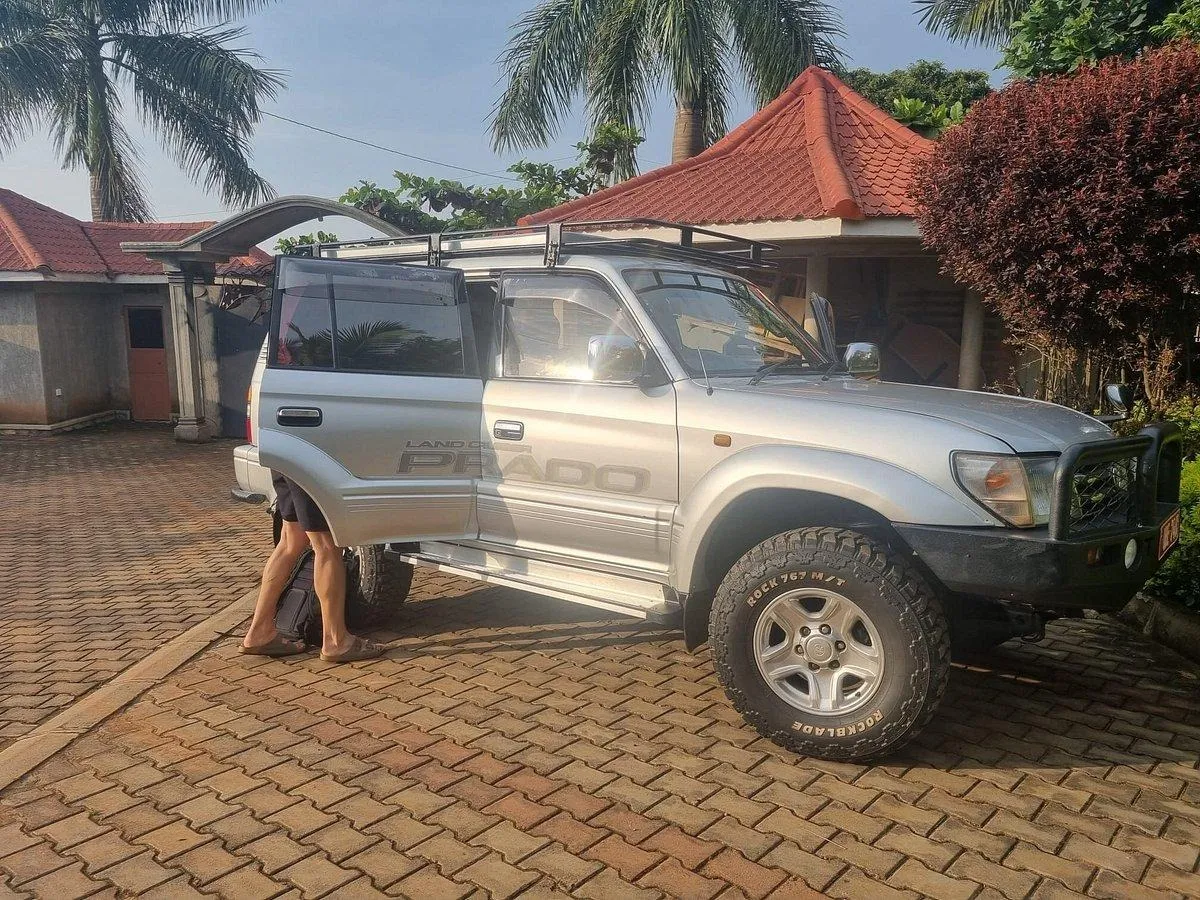
A practical itinerary might combine Kampala with Murchison Falls, Kibale, Queen Elizabeth, and Bwindi before returning toward the capital. However, the ideal route depends on the length of the trip and the attractions that matter most to you.
It is also important to schedule rest days. Uganda’s roads and changing terrain can make driving more tiring than expected. Having extra time allows you to enjoy unexpected discoveries rather than constantly watching the clock.
Accommodation should also be booked in advance when visiting popular national parks, particularly during busy travel periods. Options range from budget campsites and guesthouses to comfortable lodges and luxury safari properties.
What to Pack for Self-Drive in Uganda
Packing appropriately can make a major difference during a road trip. Essential items include comfortable clothing, sturdy footwear, sunscreen, insect repellent, a hat, reusable water bottles, and personal medications.
For safari travel, neutral-colored clothing can be practical, while lightweight layers are useful because temperatures can vary between morning and afternoon.
A power bank, flashlight, offline maps, travel documents, first-aid supplies, and basic snacks are also useful. If you are camping, make sure you have suitable sleeping equipment, cooking supplies, and sufficient water-storage capacity.
A spare tire and basic vehicle-recovery equipment are particularly important when traveling into remote areas. Your rental provider should explain how to use the equipment before you begin the journey.
Safety Tips for Self-Driving
Safety should always be a priority when driving independently in Uganda. Before leaving each destination, check your fuel level and make sure you have enough fuel for the planned route. Remote areas may have long distances between fuel stations.
Keep important documents secure and follow local traffic regulations. Drive defensively and reduce speed when road conditions become difficult.
Inside national parks, follow park rules and maintain a safe distance from wildlife. Never attempt to approach, feed, or provoke wild animals. Wildlife can behave unpredictably, and visitors should always respect instructions from park authorities.
Travelers should also share their planned route with someone they trust, particularly when traveling into remote regions. Carrying a charged phone and having emergency contact information available provides additional peace of mind.
Experiencing Local Culture
One of the great benefits of Self-Drive in Uganda is the opportunity to experience more than its famous wildlife. Travelers can stop in local communities, visit markets, sample Ugandan food, and interact respectfully with people along their route.
Uganda has a rich cultural heritage, with numerous ethnic communities, languages, traditions, crafts, and cuisines. Taking time to experience local life can add depth to a road trip.
Responsible tourism is important. Ask permission before photographing people, support locally owned businesses where possible, and respect cultural customs.
The Best Time for a Self-Drive Trip
Uganda can be visited throughout much of the year, but weather conditions can influence road travel and wildlife experiences. The drier periods are often convenient for safari travel because roads in many parks can be easier to navigate.
The wetter seasons bring greener landscapes and can be rewarding for photographers and birdwatchers. However, heavy rainfall can make some unpaved roads more difficult.
Rather than focusing only on one “perfect” travel period, consider your priorities. Wildlife viewing, gorilla trekking, photography, birdwatching, budget travel, and road conditions can all influence the best timing for your particular journey.
Is Self-Drive in Uganda Right for You?

Self-driving is best suited to travelers who are comfortable with independence, flexible schedules, and changing road conditions. It requires more preparation than joining an organized safari, but it can also provide a greater sense of freedom.
If you prefer having every detail organized, a guided safari may be more convenient. On the other hand, if you enjoy exploration and want control over your itinerary, self-driving can provide a memorable way to experience Uganda.
For first-time visitors, a hybrid approach can also work well. You might self-drive between destinations while arranging professional guides for activities such as gorilla trekking, chimpanzee tracking, or specialized wildlife experiences where local expertise is particularly valuable.
Final Thoughts
Self-Drive in Uganda offers an exciting way to discover the Pearl of Africa beyond the boundaries of a traditional organized tour. From the powerful waters of Murchison Falls and the wildlife-rich plains of Queen Elizabeth National Park to the ancient forests of Kibale and Bwindi, Uganda provides extraordinary variety for road-trip travelers.
The key to a successful journey is preparation. Choose a suitable 4×4 vehicle, understand road conditions, plan realistic driving distances, carry essential supplies, and respect wildlife and local communities. With careful planning and a spirit of adventure, a self-drive road trip can transform a visit to Uganda into an unforgettable African experience.