
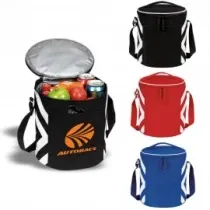
Brand awareness grows when people repeatedly see and interact with a company. Digital advertisements can disappear quickly, while useful physical products can remain in homes, offices, vehicles, and workplaces. promotional items with logo turn everyday objects into recognizable brand touchpoints. When selected thoughtfully, these products strengthen recall, encourage conversations, and keep a business visible beyond a single campaign.
What Makes Promotional Products Effective?
Promotional products combine usefulness with brand exposure. A practical item is more likely to be kept and used repeatedly, allowing a logo or company identity to receive ongoing attention. Pens, bags, drinkware, apparel, office accessories, and technology products can become brand reminders.
Effectiveness also depends on relevance. An item that fits the recipient’s lifestyle has a better chance of being used frequently. Businesses should consider their audience, campaign purpose, and budget before selecting merchandise.
How Customization Builds Brand Recognition
Customization helps create a consistent visual identity. Logos, colors, slogans, and carefully positioned artwork can make an item immediately associated with an organization. Consistency across products can strengthen recognition because customers connect familiar visual elements with previous experiences.
Customization also makes merchandise feel more intentional. Instead of distributing generic products, businesses can choose items that reflect their values and audience. This creates stronger impressions while supporting a cohesive marketing presence.
Why Useful Products Create More Brand Touchpoints
Useful merchandise creates repeated opportunities for visibility. A branded mug used at work, a tote bag carried during errands, or a notebook used in meetings can place a company identity in front of recipients and people around them. Repeated exposure supports familiarity.
For companies attending conferences, trade shows, workshops, or community events, business promotional items can extend the experience after attendees leave. A useful giveaway can remind recipients where they received it and encourage conversations.
Choosing Products That Match the Audience
The right promotional product should match its recipients. Employees may appreciate workplace accessories, while customers might prefer travel items, drinkware, apparel, or technology accessories. Event audiences may prefer lightweight products.
Industry relevance is equally important. Construction, logistics, property management, and other field-based businesses may benefit from practical safety merchandise. For example, custom logo safety vests can combine functional visibility with brand exposure when appropriate.
How Quality Influences Brand Perception
Product quality can affect how people perceive the company represented on it. A poorly made item may be discarded quickly, limiting exposure and weakening the impression associated with the brand. Durable, attractive, and useful products are more likely to remain in circulation.
Businesses should evaluate materials, printing quality, functionality, and presentation. Clear logo placement and suitable sizing can make branding noticeable without overwhelming the product. Balance between visibility and usability creates a positive experience.
Why Distribution Strategy Matters
Promotional products need a clear distribution plan. Businesses can provide merchandise during trade shows, customer appreciation activities, employee onboarding, product launches, sales meetings, community programs, and events. Matching the item to the occasion makes the giveaway feel relevant.
Companies can also create campaigns around seasonal activities or milestones. Tracking distribution and recipient responses can provide useful feedback for future promotional planning.
Building Long-Term Awareness Through Merchandise
Promotional merchandise works best when it supports a broader marketing strategy. It can complement digital campaigns, event marketing, customer engagement, and sales initiatives. When the same brand identity appears across channels, customers receive consistent signals that reinforce recognition.
A thoughtful merchandise program should focus on audience relevance, product usefulness, consistent branding, quality, and strategic distribution. These factors can transform products into lasting brand reminders.
Conclusion
When thoughtfully selected and strategically distributed, promotional items with logo can support brand awareness by creating tangible, repeatable interactions between businesses and their audiences. Their value increases when products are useful, relevant, well-designed, and distributed strategically. By combining customization with quality and a clear marketing purpose, businesses can create memorable touchpoints that encourage recognition and keep their identity visible.
For businesses seeking meaningful ways to connect with customers, BRAVA Marketing Promotions provides extensive promotional product choices, custom merchandise, sourcing support, imprint design and placement, sustainable options, and delivery assistance. With more than 20 years of experience, its team uses a consultative approach to help organizations select products that fit marketing goals, budgets, audiences, branding requirements, and timelines while supporting effective promotional programs for lasting, measurable brand visibility effectively.