
Cradled at 4,200 meters (13,779 feet) in a glacial amphitheater carved from the towering Salkantay massif, Lake Humantay emerges as one of Peru’s most spectacular natural wonders. This ethereal turquoise lake, fed by meltwater from the Humantay glacier, has rapidly transformed from a relatively unknown local secret into one of the Cusco region’s most photographed destinations. The journey to this alpine gem combines physical challenge with visual reward, a demanding high-altitude trek through Andean landscapes where traditional communities maintain ancestral lifestyles, culminating in arrival at waters so impossibly blue they seem digitally enhanced. For adventurers seeking Peru’s natural beauty beyond Machu Picchu, Lake Humantay delivers breathtaking scenery, cultural encounters, and the profound satisfaction of conquering altitude to witness nature’s artistry at its finest.
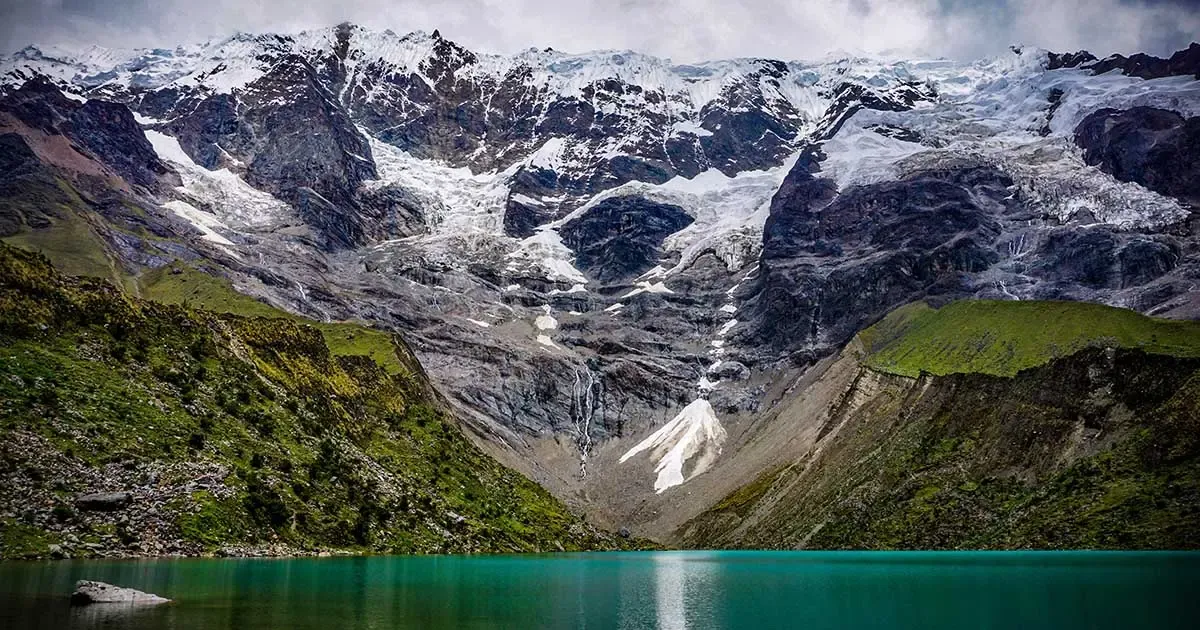
The Geological Wonder Behind the Color
Lake Humantay’s surreal turquoise coloration derives from glacial meltwater processes that transform ordinary alpine lakes into chromatic masterpieces. As the Humantay glacier slowly retreats due to climate change, ice grinding against bedrock creates extremely fine rock particles called glacial flour. These microscopic sediments remain suspended in the lake water, scattering sunlight in ways that selectively absorb red and yellow wavelengths while reflecting blue and green, creating the distinctive turquoise hue that captivates visitors.
The color intensity varies with seasons, weather conditions, and time of day. During wet season when glacier melt accelerates, increased sediment concentrations deepen the turquoise saturation. Dry season often reveals slightly lighter tones as sediment settles and water clarity increases. Morning light produces different chromatic effects than afternoon sun, while cloud cover can mute or intensify colors unpredictably making each visit unique and ensuring no two photographs capture identical conditions.
The lake sits within a dramatic cirque, a bowl-shaped depression carved by glacial action over millennia. Towering peaks including Humantay Mountain (5,473 meters) and the adjacent Salkantay massif (6,271 meters) form protective walls that cradle the lake while creating microclimates where weather shifts rapidly. Snow-capped summits provide stunning backdrops against which the turquoise waters create color contrasts of almost painful beauty.
The Trek: Challenge and Reward
The journey to Lake Humantay typically begins in Soraypampa, a high-altitude base camp reached after approximately three hours driving from Cusco. The route traverses the Sacred Valley through traditional Andean communities where campesinos (farmers) work terraced fields using agricultural techniques inherited from Inca ancestors. Stone houses with thatched roofs dot mountainsides, while llamas and alpacas graze freely across slopes where few other animals can survive the altitude and harsh conditions.
From Soraypampa at 3,850 meters, the trail to Lake Humantay ascends approximately 350 vertical meters across 2.5 kilometers of increasingly steep terrain. The distance seems deceptively short in normal conditions; this would constitute an easy hour’s walk. However, altitude transforms this moderate hike into a significant physical challenge. At over 4,000 meters, oxygen levels drop to roughly 60% of sea-level concentrations, making every step laborious as lungs strain to extract sufficient oxygen from thin air.
The trail begins relatively gently through grassland meadows dotted with hardy alpine vegetation. Ichu grass, the dominant plant species, provides essential grazing for livestock while preventing erosion on steep slopes. As elevation increases, the path steepens dramatically, transitioning to switchbacks carved into mountainsides. Loose stones and occasional mud patches require careful foot placement, while the thinning air forces frequent rest stops where climbers bend over trekking poles, hearts pounding and breathing heavily.
The final approach intensifies both physically and visually. The gradient reaches its steepest as the trail climbs toward the ridge revealing the lake. Many trekkers question their ability to continue, legs burning and altitude symptoms manifesting as headaches or nausea. Then suddenly, cresting the final rise, Lake Humantay appears an impossibly brilliant turquoise oval cradled between snow-dusted peaks. The transformation from struggle to wonder occurs instantaneously, exhaustion forgotten in the overwhelming visual impact of this alpine masterpiece.
Most visitors spend 30-45 minutes at the lake photographing from multiple angles, walking partially around the shoreline where terrain permits, and simply absorbing the profound beauty and silence of this high-altitude sanctuary. The most adventurous scramble higher up surrounding slopes for aerial perspectives that reveal the lake’s full geometry and relationship to the surrounding cirque. These elevated viewpoints provide stunning photography opportunities though require additional exertion at altitude where every movement demands conscious effort.
Practical Considerations for Successful Visits
Lake Humantay adventures typically operate as day trips from Cusco, though some multi-day treks incorporate the lake as an overnight stop. Standard day tours involve 4:00-5:00 AM hotel pickups, arriving at Soraypampa trailhead around 7:30-8:00 AM. The trek to the lake takes 1.5-3 hours depending on fitness and acclimatization, with similar descent times. Return drives reach Cusco during late afternoon or early evening, making for long but manageable days.
Altitude acclimatization proves crucial for enjoyable experiences. Visitors should spend a minimum 2-3 days in Cusco (3,400 meters) before attempting Lake Humantay, allowing bodies to begin adjusting to reduced oxygen. Those arriving directly from sea level to Cusco then immediately visiting the lake often suffer acute mountain sickness (AMS) symptoms, headaches, nausea, dizziness, fatigue that transform potentially magnificent experiences into miserable ordeals.
Physical fitness requirements remain moderate but shouldn’t be underestimated. While no technical climbing skills are needed, cardiovascular endurance and leg strength determine comfort levels during the ascent. Pre-trip training incorporating stair climbing, hiking with elevation gain, and cardio exercises improves preparation, though nothing fully replicates altitude’s effects except actual acclimatization.
Weather conditions vary dramatically by season and unpredictably within single days. Dry season (May-September) offers most reliable conditions with clear skies and minimal precipitation, though temperatures remain cold, often below freezing during early mornings. Wet season (November-March) brings afternoon rains, occasional snowfall, and reduced visibility, though fewer crowds and dramatically green landscapes provide compensation. Shoulder seasons (April, October) balance decent weather against moderate tourist numbers.
What to Pack for High-Altitude Success
Appropriate gear significantly impacts comfort and safety during Lake Humantay excursions. Layered clothing systems prove essential for managing temperature fluctuations freezing early mornings warming to pleasant midday sun before cooling rapidly once clouds arrive. Base layers should wick moisture away from skin, mid-layers provide insulation, and waterproof outer shells protect against wind and precipitation.
Quality hiking boots with ankle support and aggressive tread prevent slips on loose stones and provide stability during steep sections. Broken-in footwear prevents blisters that can ruin experiences. Trekking poles dramatically reduce knee strain during descents while providing stability during climbs, effectively adding two additional points of contact with unstable terrain.
Sun protection becomes critical at altitude where UV radiation intensifies. High-SPF sunscreen, polarized sunglasses, and wide-brimmed hats prevent burns that occur surprisingly quickly in thin atmosphere and reflected off snow. Hydration systems water bottles or bladders encourage frequent drinking, essential for altitude acclimatization and preventing dehydration that exacerbates AMS symptoms.
Small backpacks should contain snacks providing quick energy, basic first aid including altitude sickness medication (diamox if prescribed), personal medications, and camera equipment. Many visitors bring offerings for Apachetas stone cairns serving as sacred sites where Andean tradition encourages leaving stones, coca leaves, or other tokens requesting safe passage and mountain blessings.
Cultural Context and Sacred Geography
For local Quechua communities, Lake Humantay and surrounding peaks represent far more than scenic attractions; they constitute Apus, sacred mountain spirits deserving reverence and offerings. Traditional Andean cosmology recognizes mountains as living beings possessing consciousness, agency, and power over human affairs. The Salkantay-Humantay massif ranks among the most important Apus in the Cusco region, second only to Ausangate in spiritual significance.
Shamanic ceremonies still occur at the lake where local paqos (Andean priests) conduct offerings called despachos elaborate arrangements of symbolic items including coca leaves, sweets, flowers, and llama fat burned while requesting protection, prosperity, and harmony with natural forces. These ceremonies demonstrate living spiritual traditions predating Inca civilization, maintained despite centuries of colonial suppression and modernization pressures.
The connection between glaciers, water, and community survival adds practical dimensions to spiritual reverence. Glacial meltwater feeds rivers sustaining agriculture throughout valleys below. As climate change accelerates glacier retreat, these water sources face uncertain futures, threatening traditional livelihoods dependent on predictable water availability. The sacred relationship with mountains thus intertwines with contemporary environmental challenges, adding urgency to cultural preservation efforts.
Respectful visitors honor these spiritual dimensions through thoughtful behavior not littering, avoiding loud disruptions, requesting permission before photographing ceremonies, and contributing stones to apachetas while reflecting on the mountain’s significance. Understanding that you’re visiting sacred space rather than merely a scenic viewpoint enriches experiences while demonstrating cultural sensitivity.
Photography Tips for Capturing the Magic
Lake Humantay’s chromatic intensity creates both opportunities and challenges for photographers. The brilliant turquoise waters photograph beautifully but require technical understanding for optimal results. Polarizing filters reduce glare and enhance color saturation, making the turquoise appear even more vivid. However, excessive polarization can create unnatural effects, requiring judicious rotation to balance enhancement against realism.
Wide-angle lenses capture the lake within its cirque context, showing the relationship between water, peaks, and sky that defines the location’s character. Telephoto lenses isolate detailed snow patterns on Humantay Mountain, reflections on calm water, or human figures providing scale against vast landscapes. Arriving early before crowds allows cleaner compositions without dozens of people cluttering shorelines.
The best light typically occurs during mid-morning (9:00-11:00 AM) when sun illuminates the lake directly while remaining low enough to create dimensional shadows defining topography. Afternoon light can work but often brings clouds that obscure peaks and flatten lighting. Overcast conditions eliminate harsh shadows but can mute the turquoise coloration that makes the lake spectacular a tradeoff between technical lighting quality and chromatic impact.
Drone photography has become increasingly popular, revealing perspectives impossible from ground level the lake’s oval geometry, surrounding cirque formation, and relationship to broader mountain systems. However, regulations governing drone use in Peru require permits, and operators should verify current rules and respect other visitors whose experiences can be diminished by drone noise and presence.
Environmental Challenges and Conservation
Lake Humantay faces mounting pressures from tourism growth that threatens the pristine qualities attracting visitors. Daily visitor numbers now regularly exceed several hundred, concentrated during peak dry season months. The trail shows erosion from constant foot traffic, while litter accumulates despite cleanup efforts. Informal vendors at the lake selling snacks and drinks contribute to waste problems, though they also represent economic opportunities for local communities.
Climate change poses existential threats to glacial lakes worldwide, and Humantay is no exception. The Humantay glacier has retreated measurably over recent decades, reducing meltwater inputs and potentially altering the lake’s size, depth, and color characteristics. Scientific models suggest continued warming could substantially diminish or even eliminate the glacier within decades, transforming the landscape and potentially the lake itself.
Responsible tourism practices help mitigate these impacts. Visitors should pack out all trash, stay on designated trails preventing erosion, avoid disturbing vegetation, and choose tour operators demonstrating environmental commitments. Supporting local communities through purchases from authorized vendors and respecting cultural sites ensures tourism benefits those whose ancestral lands host these attractions.
Alternative Experiences and Extended Adventures
Lake Humantay often serves as a day trip from Cusco, but multi-day options provide deeper immersion. The Salkantay Trek to Machu Picchu passes through Soraypampa, allowing trekkers to visit Lake Humantay as a side excursion during multi-day adventures. This approach combines the lake with broader Andean exploration, though requires significant time and fitness commitments.
Overnight camping at Soraypampa allows sunrise visits to the lake before crowds arrive. The early morning light creates different photographic conditions while the solitude enhances spiritual connection with the landscape. Evening stars gazing at this altitude far from light pollution reveal celestial displays of extraordinary brilliance, the Milky Way appearing as a luminous river spanning horizons.
Nearby Lake Salkantaycocha offers similar turquoise beauty with dramatically fewer visitors for those willing to undertake longer, more challenging treks. This larger lake sits at even higher elevation, requiring greater physical preparation but rewarding with pristine wilderness experiences becoming increasingly rare at more accessible destinations.
Conclusion
Lake Humantay represents Peru’s high-altitude natural beauty at its most spectacular where glacial processes create chromatic wonders, traditional cultures maintain sacred relationships with mountain landscapes, and physical challenges yield to visual rewards that justify every laborious step. The impossible turquoise waters cradled between snow-capped peaks deliver photographs and memories that endure as travel highlights, while the journey itself ascending through thin air, surrounded by Andean grandeur provides accomplishment and perspective extending beyond the destination. As climate change threatens the glaciers sustaining this alpine jewel and tourism pressures mount, visiting Lake Humantay carries both privilege and responsibility to engage respectfully, tread lightly, and support conservation efforts ensuring future generations can witness this extraordinary masterpiece where geology, hydrology, and light collaborate to create nature’s art at its finest.
Key Takeaways
Altitude Challenge: At 4,200 meters, the trek demands proper acclimatization (minimum 2-3 days in Cusco first) and realistic fitness assessment, as thin air transforms a short hike into a significant physical challenge where preparation determines enjoyment.
Glacial Artistry: The lake’s surreal turquoise color results from glacial flour microscopic rock particles suspended in meltwater that scatter light, creating chromatic intensity varying with seasons, weather, and time of day.
Cultural Significance: Beyond scenic beauty, Lake Humantay represents sacred geography for Quechua communities where mountains function as living spirits (Apus) deserving reverence, offerings, and respectful engagement from visitors.
Climate Vulnerability: Glacial retreat from climate change threatens the lake’s long-term existence, making current visits potentially witnessing landscapes that may transform dramatically or disappear within decades, adding urgency to conservation efforts.
Optimal Timing: Dry season (May-September) offers most reliable weather and visibility though increased crowds, while shoulder seasons balance conditions against tourist numbers, and wet season brings dramatic green landscapes with solitude but unpredictable precipitation.