
Trekking in Solukhumbu is one of the most iconic adventures in the world. Located in northeastern Nepal, the Solukhumbu region is home to some of the highest mountains on Earth, including Mount Everest. This breathtaking area offers stunning Himalayan landscapes, rich Sherpa culture, and unforgettable trekking experiences.
From famous routes like Everest Base Camp to hidden trails in remote valleys, Solukhumbu is a paradise for trekkers of all levels. Whether you are a beginner or an experienced adventurer, trekking in this region promises a journey filled with natural beauty and cultural discovery.
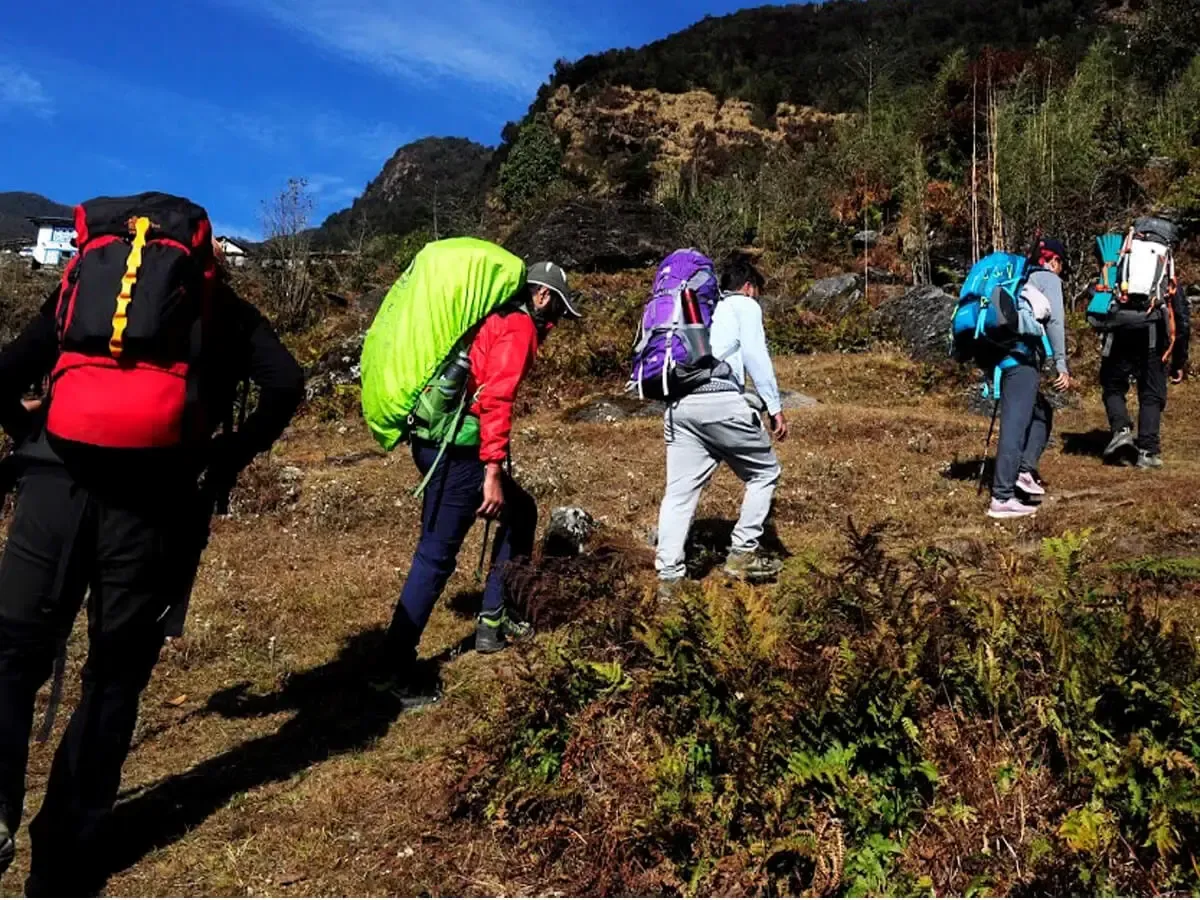
Why Choose Trekking in Solukhumbu?
Solukhumbu is one of Nepal’s most popular trekking destinations for several reasons:
-
Home to Mount Everest: Experience the world’s highest peak up close
-
Stunning Scenery: Snow-capped mountains, glaciers, and valleys
-
Rich Culture: Discover Sherpa traditions and monasteries
-
Variety of Routes: Options for beginners and experienced trekkers
Trekking in Solukhumbu offers a perfect combination of adventure, culture, and natural beauty.
Where is Solukhumbu?
Solukhumbu is divided into two regions:
-
Solu (Lower Region): Green hills, forests, and traditional villages
-
Khumbu (Upper Region): High mountains, glaciers, and famous trekking routes
The Khumbu region is particularly well-known for its proximity to Mount Everest and its world-famous trekking trails.
Popular Trekking Routes in Solukhumbu
1. Everest Base Camp Trek
The Everest Base Camp trek is the most famous route in Solukhumbu. It takes you to the base of Mount Everest.
Highlights:
-
Views of Everest and surrounding peaks
-
Visits to Sherpa villages
-
Exploration of monasteries
Duration:
12–14 days
Difficulty:
Moderate to challenging
2. Gokyo Lakes Trek
The Gokyo Lakes trek is a scenic alternative to Everest Base Camp.
Highlights:
-
Beautiful turquoise lakes
-
Views from Gokyo Ri
-
Less crowded trails
Duration:
10–12 days
Difficulty:
Moderate
3. Three Passes Trek
The Three Passes Trek is a challenging adventure for experienced trekkers.
Highlights:
-
Crossing high mountain passes
-
Stunning panoramic views
-
Comprehensive exploration of the Everest region
Duration:
18–21 days
Difficulty:
Challenging
4. Everest Panorama Trek
This short trek is perfect for beginners or those with limited time.
Highlights:
-
Easy trails
-
Views of Everest and nearby peaks
-
Cultural experiences
Duration:
5–7 days
Difficulty:
Easy to moderate
Key Highlights of Trekking in Solukhumbu
1. Sagarmatha National Park
Sagarmatha National Park is a UNESCO World Heritage Site and a major highlight of trekking in Solukhumbu.
-
Home to rare wildlife
-
Stunning mountain landscapes
-
Protected natural environment
2. Namche Bazaar
Namche Bazaar is the main trading hub of the Everest region.
-
Gateway to Everest
-
Shops, cafes, and lodges
-
Acclimatization stop for trekkers
3. Tengboche Monastery
One of the most important monasteries in the region, Tengboche offers spiritual and cultural experiences.
-
Buddhist traditions
-
Stunning mountain views
-
Peaceful atmosphere
4. Sherpa Culture
The Sherpa people are known for their hospitality and mountaineering skills.
-
Unique traditions and lifestyle
-
Delicious local food
-
Cultural festivals and ceremonies
Difficulty Level
Trekking in Solukhumbu ranges from easy to challenging depending on the route.
Challenges Include:
-
High altitude (above 5,000 meters)
-
Long trekking days
-
Cold temperatures
Proper preparation and acclimatization are essential for a safe and enjoyable trek.
Best Time for Trekking in Solukhumbu
Spring (March to May)
-
Clear skies
-
Blooming rhododendrons
-
Ideal trekking conditions
Autumn (September to November)
-
Stable weather
-
Excellent visibility
-
Most popular trekking season
Winter is cold but less crowded, while monsoon season brings rain and limited visibility.
Accommodation and Food
Teahouse Trekking
Most treks in Solukhumbu follow a teahouse system.
-
Basic but comfortable lodges
-
Shared facilities
-
Warm hospitality
Food
Common meals include:
-
Dal Bhat (rice and lentils)
-
Noodles and soups
-
Tea and snacks
Food is simple but provides energy for trekking.
Permits Required
To trek in Solukhumbu, you need:
-
Sagarmatha National Park Permit
-
TIMS (Trekkers’ Information Management System) card
These permits are easily available in Kathmandu or at entry points.
Essential Tips for Trekking in Solukhumbu
-
Acclimatize Properly
Take rest days to adjust to high altitude and prevent sickness. -
Stay Hydrated
Drink plenty of water throughout the trek. -
Pack Smart
-
Warm clothing
-
Good trekking boots
-
Sleeping bag
-
First aid kit
-
Hire a Guide or Porter
They enhance safety and make the trek easier. -
Respect Local Culture
Follow local customs and traditions when visiting villages and monasteries.
Why Trekking in Solukhumbu is Unique
Trekking in Solukhumbu is unique because it offers a chance to experience the world’s highest mountains up close. The combination of breathtaking scenery, rich culture, and adventurous trails makes it one of the most sought-after trekking destinations in the world.
From the majestic presence of Mount Everest to the vibrant culture of Sherpa communities, every moment of the trek is filled with discovery and excitement.
Conclusion
Trekking in Solukhumbu is an unforgettable adventure that combines natural beauty, cultural richness, and physical challenge. Whether you choose the famous Everest Base Camp trek or explore quieter trails like Gokyo Lakes, the region offers something for everyone.
With proper planning, the right gear, and a spirit of adventure, trekking in Solukhumbu can be a life-changing experience.
If you are looking for breathtaking landscapes, cultural immersion, and the thrill of high-altitude trekking, Solukhumbu is the perfect destination. It’s a journey that will leave you inspired and eager to return to the Himalayas.